

They assure stakeholders that financial information is trustworthy and meets the required standards. Accountants design and implement internal controls to safeguard assets, prevent fraud, and ensure compliance with financial regulations. They assess and manage financial risks, recommend mitigation strategies, and monitor internal control effectiveness. Accountants stay updated on tax laws and regulations to provide tax planning advice and ensure compliance. They prepare and file tax returns, maximize tax deductions, and liaise with tax authorities on behalf of the company.
- Regardless of your small business’s complexity, bookkeeping will still take time out of your week, so be sure you have the resources before committing to handling it yourself.
- This job doesn’t require a college degree, only five years of tax experience with the IRS.
- Xero is one of the most popular accounting software for small businesses, offering all the features you’d need.
- Our experts, CPAs and QuickBooks ProAdvisors, have an average of 15 years experience working with small businesses across industries.
- Small businesses also manage their own accounts receivable to make sure they get paid on time for goods and services that have already been bought or rendered.
- While human error will always play some role in security breaches, you can be confident in your accounting platform when it comes to keeping your information safe.
Charging GST/HST for Out of Province Sales and Foreign Clients
Checking financial health means reviewing these statements to make sure the business has enough assets to pay its liabilities. Good financial health means the company is likely to handle future risks and continue operating. Comparing these two statements helps users see overall performance and financial stability. Both are used by accountants to track results and report to owners or investors. Good record keeping makes audits, tax season, and business reviews much easier.
Company Vehicle: Leasing or Buying a Car Under a Corporation
QuickBooks Live Expert Assisted can give you peace of mind by connecting you with seasoned bookkeepers who’ll review your records and provide guidance to keep everything accurate. With this mind, you may want to consider With this in mind, you may want to consider QuickBooks Live Expert Full-Service Bookkeeping. This service offers an affordable and flexible solution, providing you with access to a dedicated team of bookkeepers without the bookkeeping overhead costs of hiring in-house staff. You could go down the freelance bookkeeping route, which can save you money on salary and benefits. However, they may not provide the same level of commitment and familiarity with your business as an in-house bookkeeper. According to recent data, bookkeepers in the United States make about $45,000 per year on average.
Difference Between Bookkeeping and Accounting (PDF)
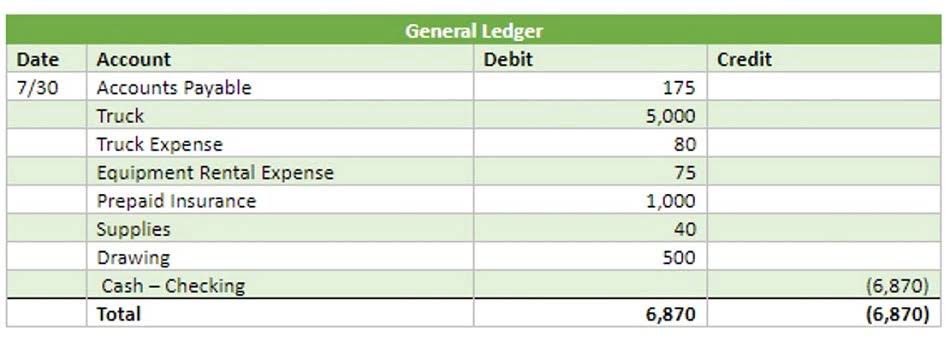
Knowing the difference between bookkeeping and accounting can be tricky, especially with the interchangeability of the terms and how the duties can overlap. While there are certain similarities and overlaps between the two, there are distinctions that set these two roles apart. Bookkeepers don’t necessarily need higher education in order to work in their field while AI in Accounting accountants can be more specialized in their training.
A bookkeeper’s expertise in analyzing financial data aids in developing sound business strategies. They translate numerical data into actionable business intelligence, contributing to informed decision-making across the organization. By revealing how a company generates and uses its cash, it provides insights into bookkeeping services its liquidity and financial health. The statement helps stakeholders gauge the firm’s ability to fund operations, pay debts, and finance growth. Bookkeepers also manage receipts, documenting the money that enters the business, ensuring accuracy to maintain an up-to-date picture of the business’s financial health.

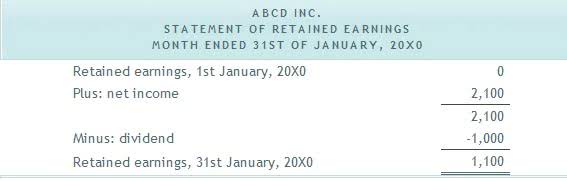
Depending on your needs, you may want to consider working with both a bookkeeper and an accountant. A bookkeeper will complete these steps and use the chart of accounts to post every journal entry and financial transaction within the general ledger. During tax time, the roles of bookkeepers and accountants differ significantly in scope and responsibility. If you already use specific tools to manage your books, you’ll want to discuss those tools with any bookkeepers or accountants you consider working with to ensure they’re familiar with them. Your general ledger should be up to date, so your bookkeeping software must provide functionality that you can navigate easily. QuickBooks is an excellent option for novice and seasoned digital bookkeepers.
- This explains why the income statement accounts are referred to as temporary accounts.
- The bookkeeper of a business might choose to use online bookkeeping software to track everything.
- Excel allows the creation of customized formulas and functions to track income and expenses.
- The permanent accounts are all of the balance sheet accounts (asset accounts, liability accounts, owner’s equity accounts) except for the owner’s drawing account.
- Business transactions can be recorded by hand in a journal or an Excel spreadsheet.
- When comparing the two, neither is inherently better than the other—they’re complementary.
Is accounting software secure?
A current asset representing amounts paid in advance for future expenses. As the expenses are used or expire, expense is increased and prepaid expense is decreased. Liabilities also include amounts received in advance for a future sale or for a future service to be performed. A listing of the accounts in the general ledger along with each account’s balance in the appropriate debit or credit column. The total of the amounts in the debit column should equal the total of the amounts in the credit column. The difference in formats has to do with the number of subtractions and subtotals that appear on the income statement before getting to the company’s bottom line net income.

Bookkeeping offers much lower barriers to entry, and the competition you face in the job search is less fierce. Bookkeepers make between $50,000 to $81,000 annually; significantly less than accountants. There are critical differences in job growth and salaries between the two.